














HE DOESN’T FIRE. HE PUBLISHES.
What the Night Teaches a Free Hand
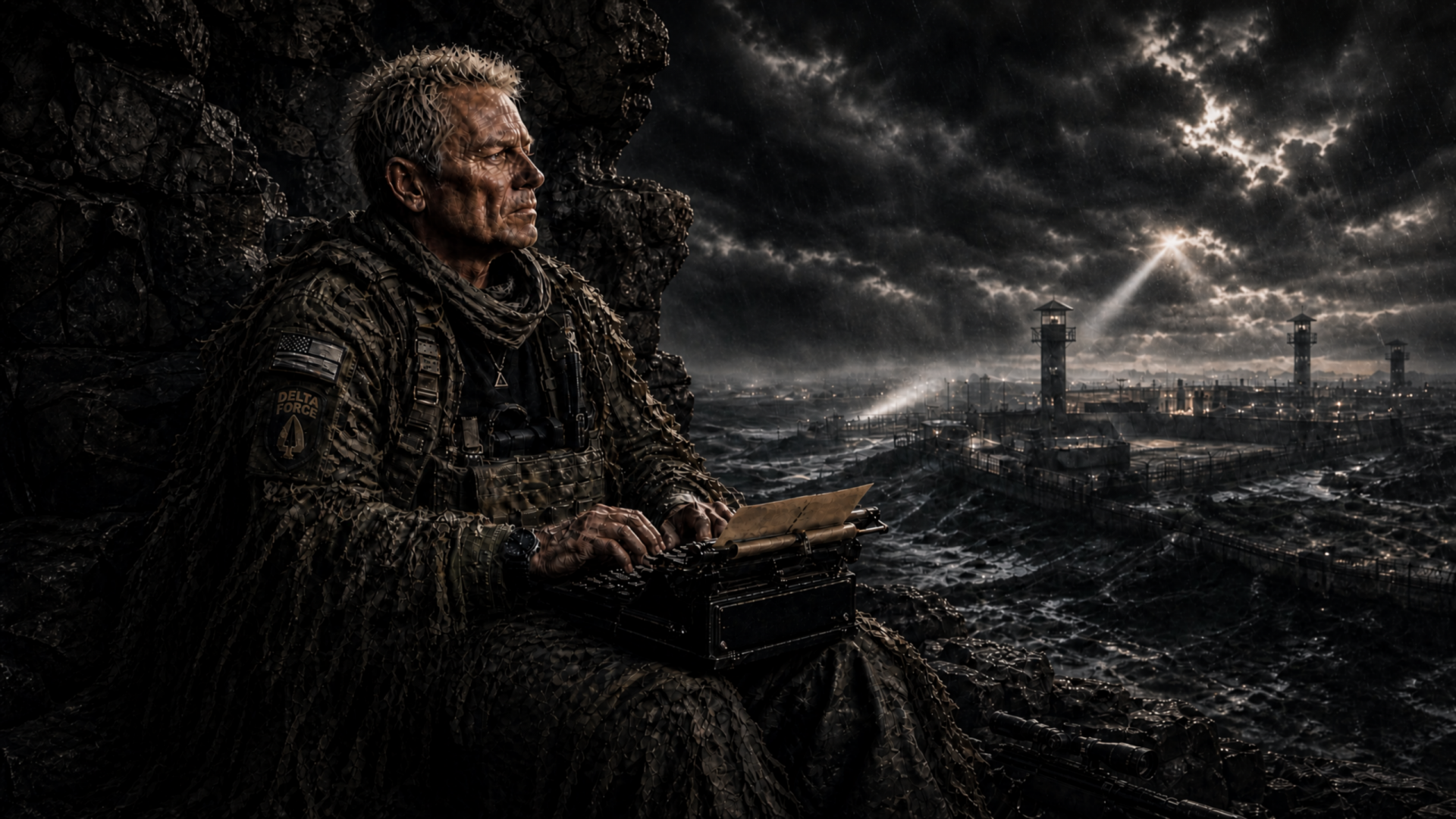
He does not move through the dark like a soldier. He moves through it like a man who has learned that silence can be a country, and loneliness can be a kind of shelter. Rain hangs in the air. Streetlight breaks on wet pavement. Somewhere beyond the glass, the city keeps breathing in its sleep.
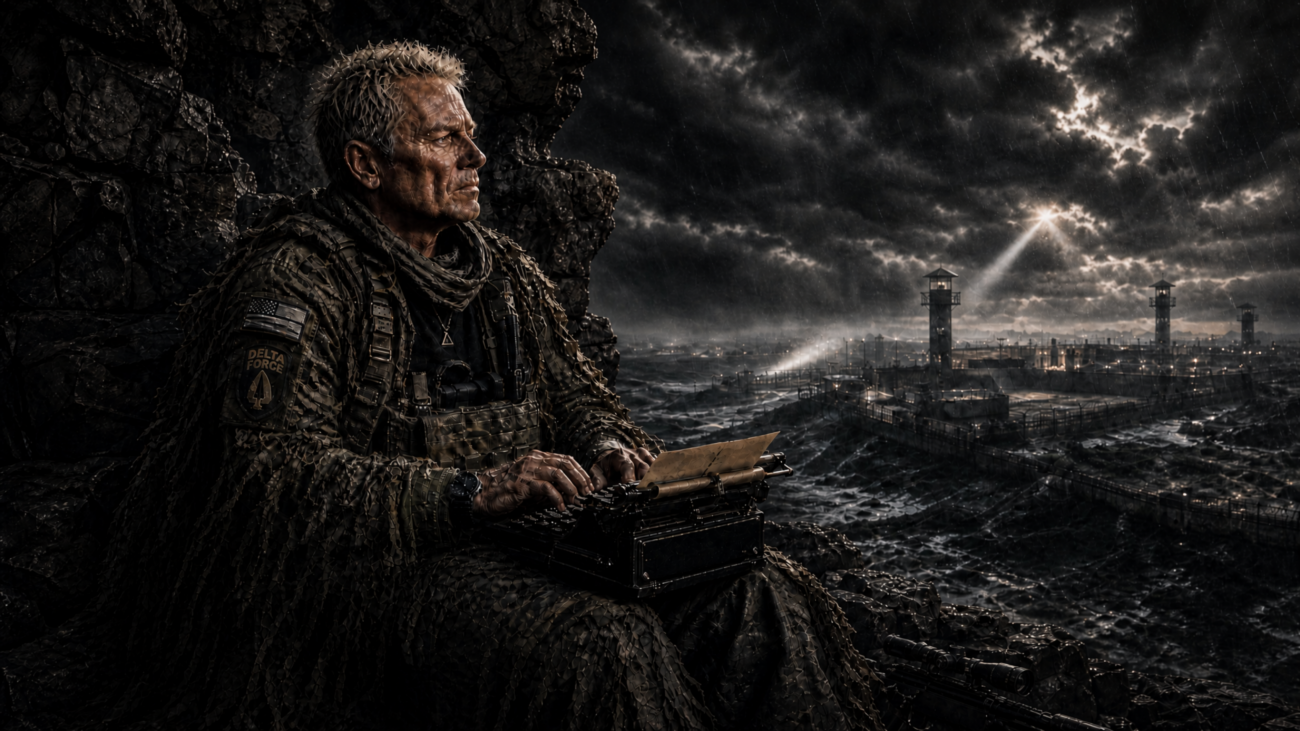
He carries no rifle. He carries a typewriter.
That is the whole difference, and it is everything.
He waits for the exact sentence the way other men once waited for a target to step into the open. Not for blood. Not for victory. For truth, clean and sharp enough to survive the page. The machine sits in front of him like a weapon that has sworn off killing. The ribbon is dark. The paper is white. Between them lies the old and difficult bargain of a free life: discipline without obedience, solitude without surrender.
He has no use for the clubs that ask for his loyalty, no patience for the parties that want his voice and his silence in equal measure. Movements come and go. Slogans age badly. The crowd always wants a smaller mind than the one that walked in. So he keeps his distance. He takes the rain on the face of the window and the cold coffee on the desk and the long, unglamorous hours that make a sentence worthy of its own weight.
There is a woman somewhere in the weak light of the room, or perhaps only the memory of one. Either way, she is not loud. She does not enter like a speech. She arrives the way longing arrives: with no permission, with no regard for the hour. He watches her as if she were standing at the edge of a platform in another life, holding something fragile and unfinished, something he cannot afford to break by reaching too quickly. He knows some distances are not failures. Some are the shape of mercy.
He has learned to love the work more than the noise around it. The page rewards patience. The page punishes vanity. It does not care what he calls himself. It only asks whether the sentence holds. Whether it breathes. Whether it bleeds for the right reason.
And when the night grows thinner, when the room narrows to the size of his hands, he leans forward and begins again. One line. Then another. The keys strike like rain on tin. The carriage bell rings at the end with its small, final authority, and for a moment the whole world seems to pause and listen.
That is his shot.
Not at a man. At a lie.
And when it lands, if it lands, the dark does not open like a battlefield. It opens like a door.
Camouflage for the Independent
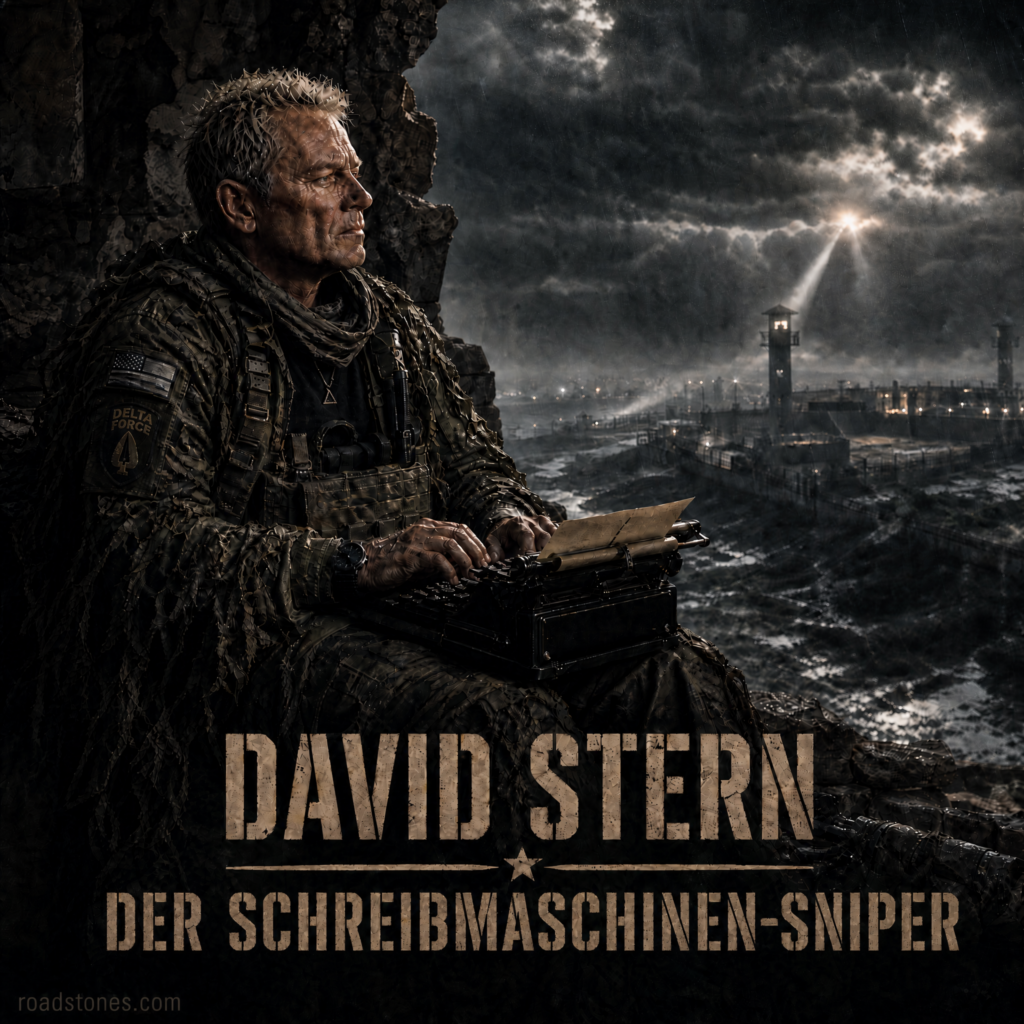
He wears his camouflage in plain sight. Not green cloth, not rank, not insignia. He wears caution, wit, and the hard-earned habit of refusing anybody’s borrowed language. It keeps him out of formation. It keeps him alive to his own thoughts. It keeps him dangerous in the one way that matters: to lies that depend on obedience.
He is not lonely because he is empty. He is lonely because he has chosen a narrow road. The road costs him comfort, certainty, and the easy warmth of belonging. It also gives him something most men never touch: the right to speak in his own name.
That freedom has a price. It always does. He pays it in weather, in missed embraces, in nights that smell like paper and smoke and old bitterness. He pays it in the ache that comes when the room is quiet enough to hear his own heart keep time with the machine. But he pays it gladly, because he knows the alternative. He has seen what happens when a man rents out his conscience by the month.
The Bell at the End of the Line
So he stays where the sentence lives. In the gloom. In the margin. In the pause before the key comes down. He keeps his hands steady. He keeps his head clear. He keeps his tenderness, too, though he hides it under discipline the way a man might hide a match in his coat pocket against the wind.
When dawn finally leans against the window, he does not look triumphant. Triumph is for those who need an audience. He looks simply finished, for the moment. The page lies there, not innocent, not perfect, but honest enough to send out into the world with his name on it.
Then the carriage bell rings once more, soft as a closing shot.
And the night, for all its darkness, has made room for one more free sentence.
DAVID STERN’S
HÖRFILMKINO
✓ Verified by DELTA-9 Ai LAB
